

Counter-FPV EW · Lviv, Ukraine

"Scissors" cut the enemy FPV video link

No picture, no weapon. We find the enemy FPV’s video signal and cut it from the air, beyond a ground station’s radio horizon, where it physically cannot reach.

  • Tested by the EW Directorate of the General Staff
  • In use with Defense Forces units
  • Operated online — no operator at the position
  • Integrates with battle-management systems

Who we are

We are engineers from Lviv. Before the full-scale invasion we were software developers and ham radio operators. Now we build electronic-warfare and signals-intelligence systems against the defining threat of this war: FPV drones.

Our test range is the positions. "Scissors" already fly, SDI-360 already stands on sites, and both work alongside battle-management systems. We call something finished only when it has held up in combat.

Mission

Our job is to have fewer people killed by drones. That is not a slogan. We know what a position looks like after an FPV strike, so we design for a specific threat and make the system work where it is needed, not on a slide.

  1. Every system is proven in combat, not in simulation
  2. Everything we build is operated online: the operator is not at the position. The engineer who built the device is on the same link and, if something goes wrong, can take over the controls
  3. Feedback from the crews goes straight into the next version
“When failure is not theoretical, reliability is not optional”

Air

Project "Scissors"

Airborne detection and suppression system
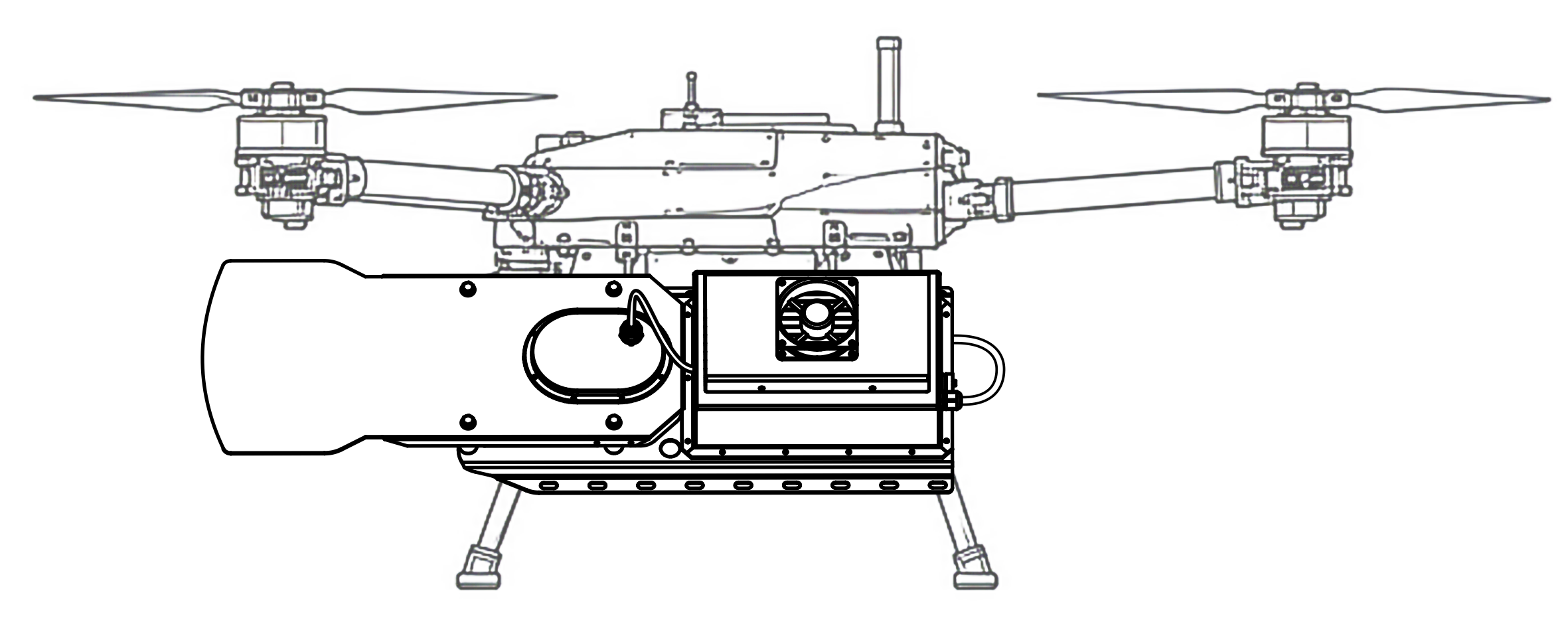
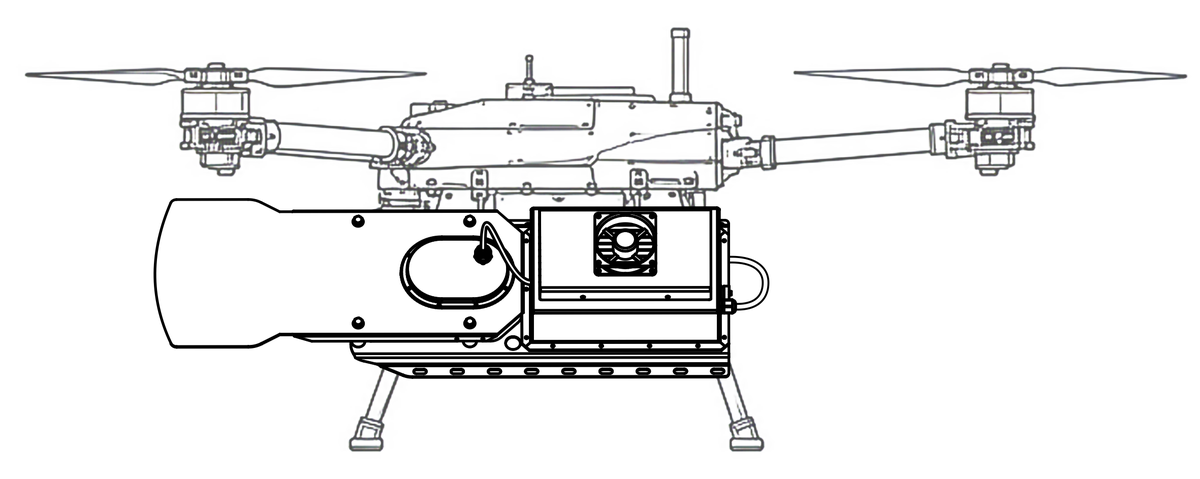
The Scissors system on its carrier drone — technical drawing

A ground EW station runs into the terrain: the jamming never reaches the operator, and the FPV keeps going for its target. So we lifted the detect-and-suppress loop into the air. Two modules with directional antennas work from a carrier drone at an altitude that pushes the radio horizon back, and from there the jamming reaches the operator in a straight line. Control is online; there is no operator at the position.

  • "SDRVIEW-AERO" — detectionDirectional antennas pick up the enemy FPV’s video signal and identify it
  • "SDRSHADE-AERO" — suppressionDirectional jamming hits the detected link, straight into the operator’s receiver
  • A clear Fresnel zoneFrom altitude, neither terrain nor buildings soak up the signal. Same power, several times the reach
  • MobilityThe screen is not tied to a point. It goes where the unit goes

Why jam from the air?

jamming blocked ground EW station terrain / buildings video link still works
Ground-based EW

The jamming runs into terrain and buildings and never reaches the operator’s receiver. The enemy’s video link keeps working.

SDRSHADE-AERO on a carrier line of sight operator loses video
"SDRSHADE-AERO" on a carrier

From altitude there is line of sight: the jamming lands straight on the operator’s receiver antenna. The FPV loses its picture, and with it the fight.
Ground

SDI-360 system

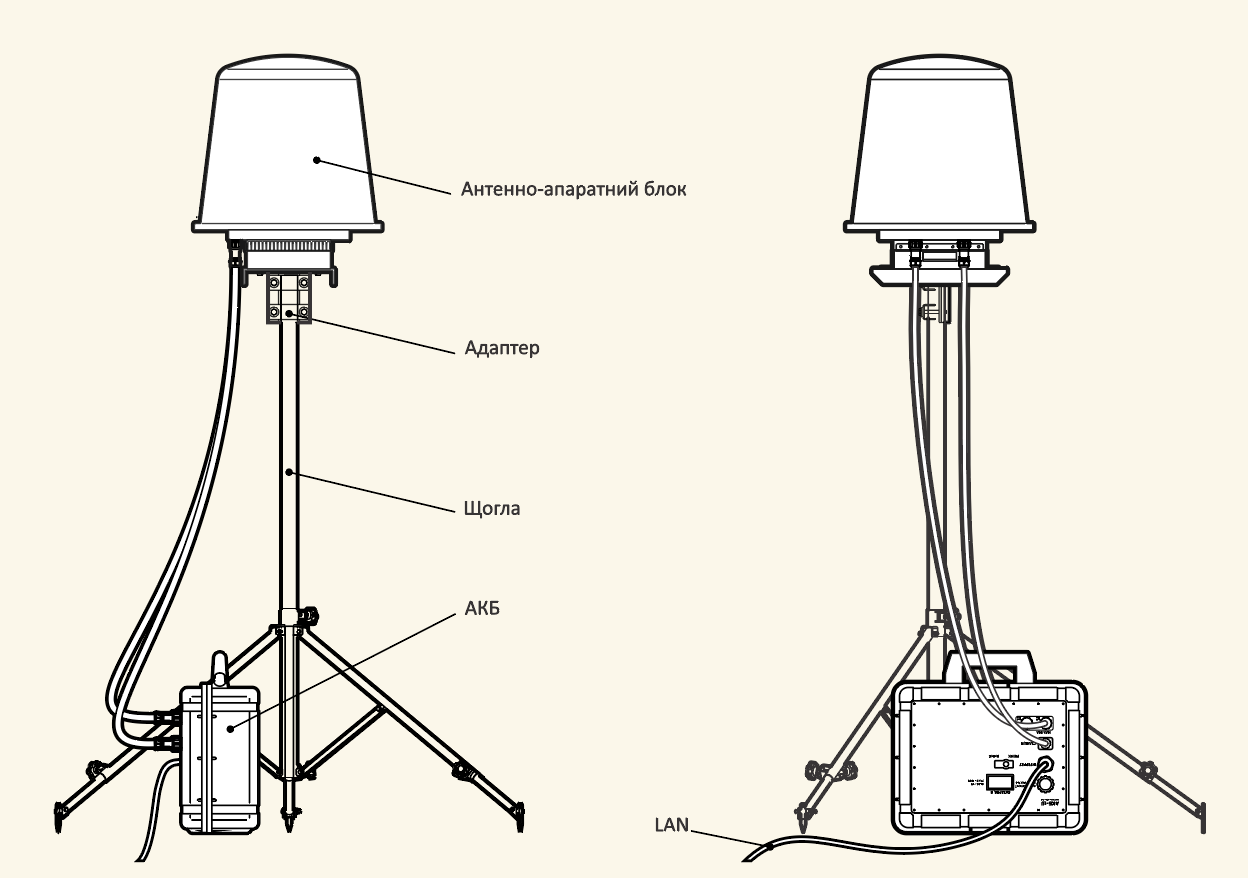
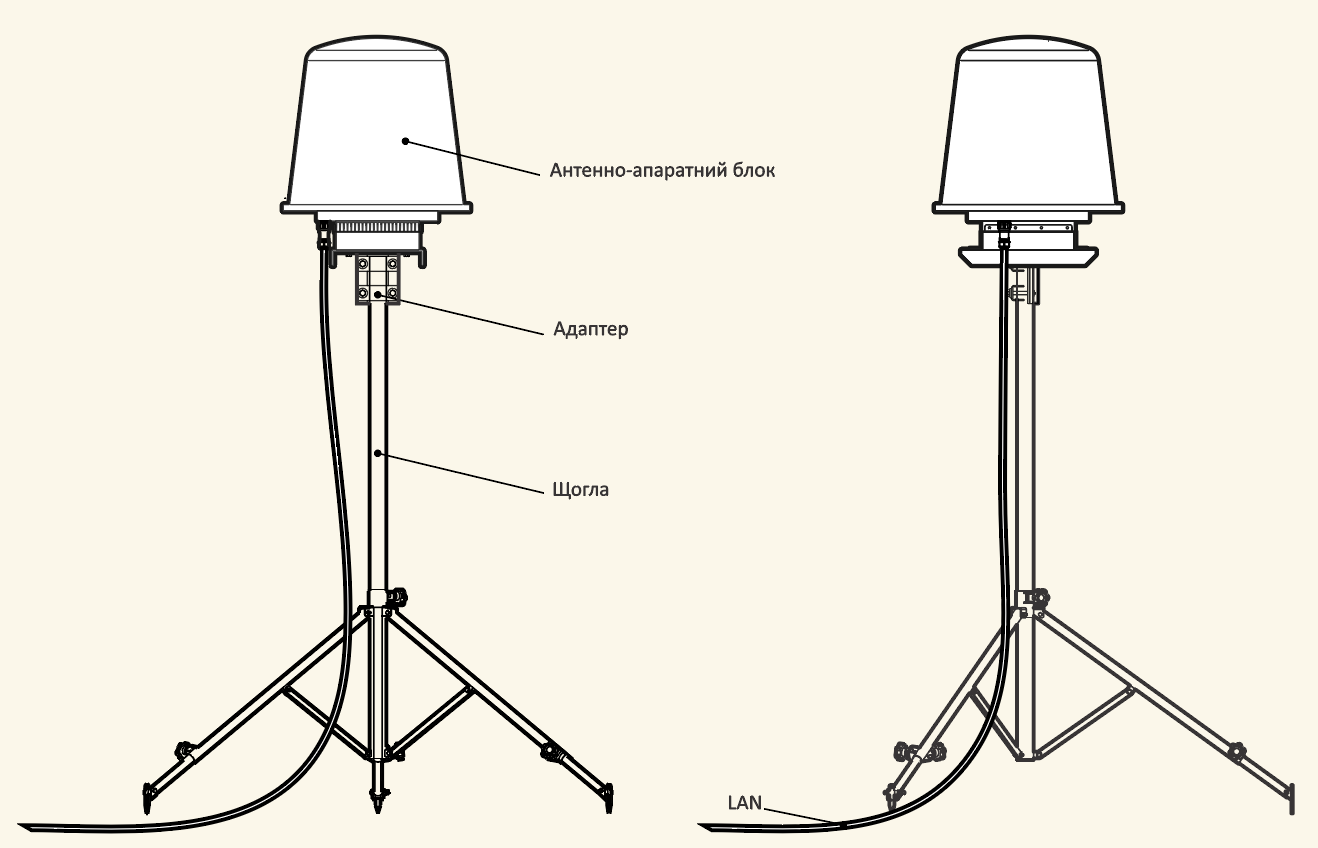
A jamming station and a detector on a site perimeter. Same principle: detect, then suppress.

"SDR-SHADE 360" jamming station

Suppression

"SDR-SHADE 360"

Omnidirectional wideband jamming station

A 360° shield: it jams FPV control and analog video links (satellite links excepted), on its own or networked with other stations. The operator sits in cover and runs the station through a secure web interface, not next to the antenna. Integration with battle-management systems was checked in the field, not on paper.

"SDR-VIEW 360" detector

Detection

"SDR-VIEW 360"

Wideband analog-video detector

The eyes of the system. The detector picks up a drone’s analog video signal and identifies the target, on its own or as part of ELINT and EW setups. Paired with "SDR-SHADE 360" it closes the loop: the detector sees, the station suppresses.

Track record

We do not publish ranges or sortie results, and we will not: the numbers go to authorized organizations on request. Publicly, we can say three things. The systems are in use with units of the Defense Forces of Ukraine. They have been officially tested by the General Staff. Their effectiveness was proven in combat, not on a test range.

  • Combat use with Defense Forces units
  • Officially tested by the EW Directorate of the General Staff
  • Specifications on request, to authorized organizations only
“What we build determines whether people make it home”

We keep that in mind at every step, from the circuit board to the position.